Dave Trott, Creative Mischief
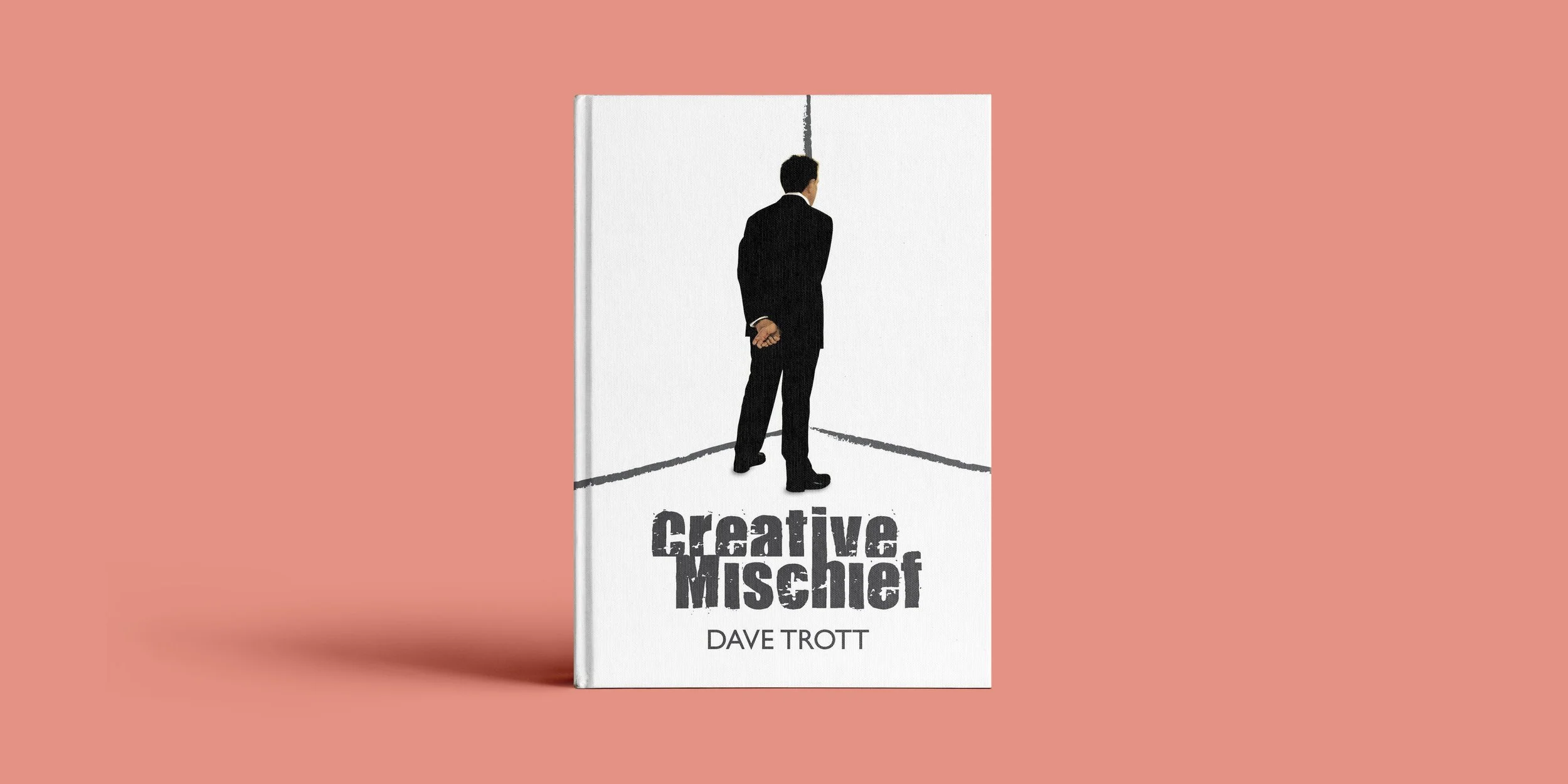
Published in 2009, ‘Creative Mischief’ is a collection of articles from legendary Creative Director and copywriter Dave Trott.
The book brings together lessons from advertising, art, business and life around a simple theme: creativity is about approaching problems from different perspectives.
Here are five of my favourite lessons:
To be creative, you need to be curious
Really creative people are fascinated by 'new' stuff. But that doesn't just mean the latest technology. It means stuff that is new to them. It might be a hundred years old, but they've never seen it before. It might be an African sculpture, a Russian film, a shocking piece of grafitti, a graphic wine label, a strange chair. They never know when these ideas might come together to form a new idea. It may happen six minutes later, or six years down the road. But the creative person has faith that it will happen.
When you train students, you train yourself
Over the years Trott has always had classes of students come into his agencies in the evenings. Sometimes it might be for just one or two sessions, sometimes for ten.
Each class consists of of about 15 to 20 students who are sent a brief the week before. Then on the night they bring their work along for a crit. Everyone in the creative department is encouraged to teach at least one class because Trott believes while our copywriters and art directors are training the students, they’re also being trained themselves.
Use the presenter stress test
Gordon Smith doesn't let the person who did the work present it. He picks a different person to present it. This works well because it's the first time the presenter has seen the work. And if the idea isn't clear the presenter gets confused.
Consider the basic binary brief
Binary simplifies things. This or that. Black or white. On or off. No subtleties, just powerful clarity. To write a basic binary brief we need to answer three questions.
Brand share or market growth?
New or current buyers?
Product (rational) or brand (emotional)?
The binary brief forces everyone involved to choose one thing they want to do. It forces everyone to be simple, clear and fast. It forces people to make uncomfortable decisions before the ads are written.
Find a way to be permissible, and desirable
Every purchase decision is a combination of ‘desire’ and ‘permission’. Without those two elements nothing happens. If you want to buy something but you can’t justify it in any way, you don’t buy it. If you can justify buying something but you don’t want it, you don’t buy it. It’s that simple. You’ve got to want something, and it’s got be okay for you to have it. The ‘desire’ part is the right brain: the emotional part. The ‘permission’ part is the left brain: the rational part. With everything, from a cars, to chocolate, to perfume, there has to be desire, and there has to be permission. To be successful, brands must be both.
This summary only captures five of the chapters in Creative Mischief. The book is packed with a lifetime of lessons learnt whilst working in some of Britain’s most celebrated advertising agencies.
Pick up your copy here.
Highly recommended.